
 Mini Aussie Puppies Near Me
 Male Puppies
Mini Australian Shepherd

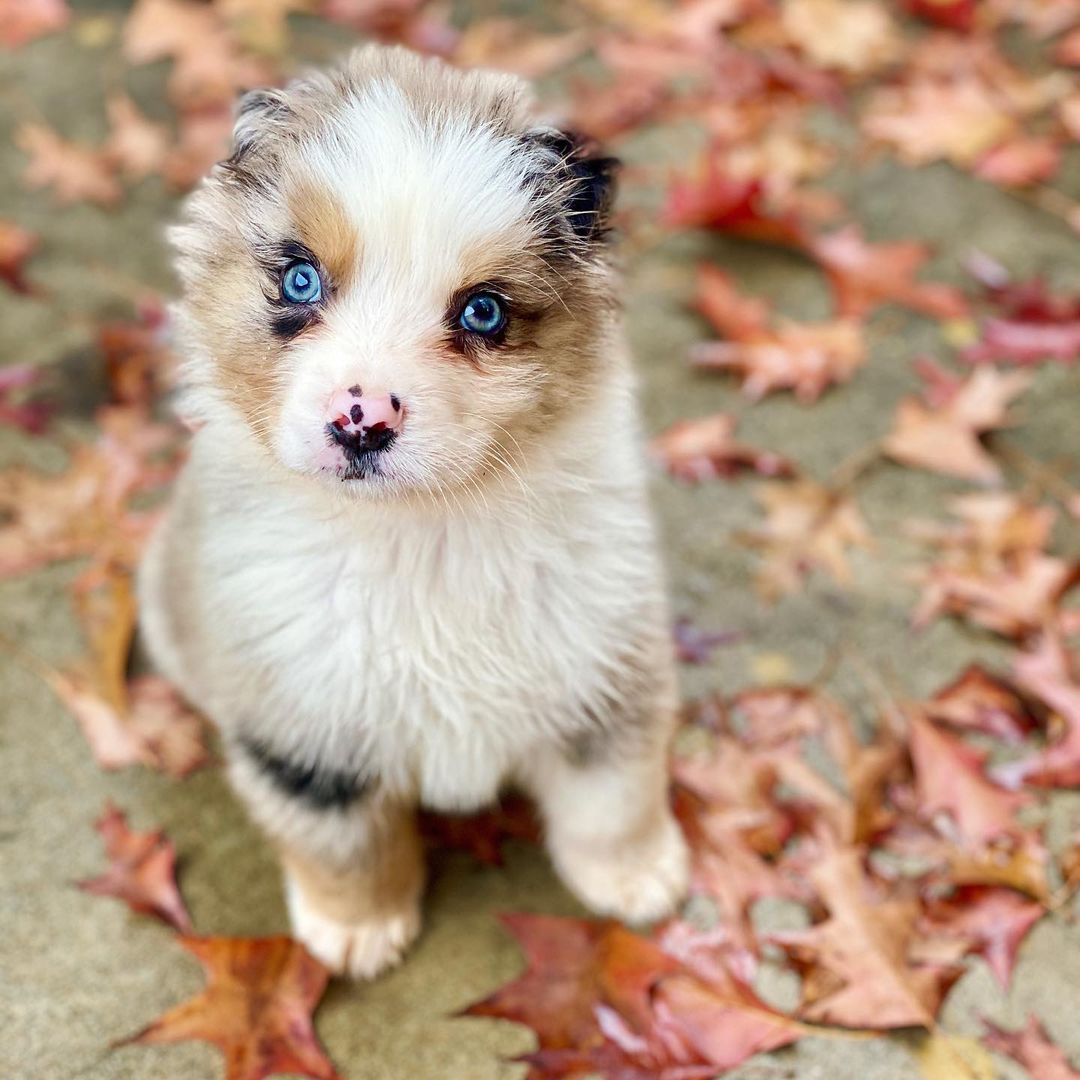
Discovering the Charm of the Mini Australian Shepherd: The Perfect Petite Companion
If you’re searching for a small but energetic and intelligent dog, the Mini Australian Shepherd might just be your ideal furry friend. These delightful pups pack all the charm, agility, and intelligence of their standard-sized counterparts into a compact, manageable size. Here’s everything you need to know about this captivating breed.
What Is a Mini Australian Shepherd?
The Mini Australian Shepherd, also known as the Mini Aussie, is a smaller version of the traditional Australian Shepherd. They typically weigh between 20-40 pounds and stand around 13-18 inches tall at the shoulder. Despite their petite stature, Mini Aussies are known for their lively spirit, sharp intelligence, and affectionate nature.
Origin and History
Miniature Australian Shepherds are believed to have been developed in the United States during the late 20th century. Breeders aimed to create a smaller herding dog that retained the intelligence and agility of the standard Australian Shepherd but was more suitable for smaller homes or apartments. They share ancestry with the Australian Shepherd, a breed with roots in sheepdog herding traditions from Australia and the Basque region.
Temperament and Personality
Mini Australian Shepherds are vibrant, loyal, and highly trainable. They thrive on mental stimulation and physical activity, making them perfect for active families, runners, or outdoor enthusiasts. They tend to form strong bonds with their owners and are known to be excellent with children and other pets when socialized properly.
These dogs are alert and watchful, often acting as natural protectors of their home. Their herding instincts can sometimes lead them to nip at heels or try to herd children or other pets, but with proper training, this can be managed effectively.
Appearance and Coat
Mini Aussies boast a striking appearance with bright, expressive eyes—often blue, brown, or even heterochromatic (two different colored eyes). Their coat is medium-length, weather-resistant, and comes in a variety of colors including merle, black, red, and red merle, often with white markings.
Regular grooming is essential to keep their coat healthy and free of mats. They shed seasonally, so routine brushing helps manage loose hair.
Exercise and Training Needs
This breed is highly energetic and intelligent, requiring daily exercise and mental challenges. Activities like agility, obedience training, and herding games are excellent ways to keep them engaged. Without enough stimulation, they may resort to boredom-driven behaviors such as barking or digging.
Early socialization and consistent, positive reinforcement training are key to raising a well-behaved Mini Aussie. They excel in canine sports and often participate happily in fetch, hiking, or even doggy daycare.
Health and Lifespan
Mini Australian Shepherds are generally healthy, but like all breeds, they are prone to certain health issues, including hip dysplasia, eye conditions, and allergies. Regular veterinary check-ups, a balanced diet, and regular exercise contribute to their longevity, which typically ranges from 12 to 15 years.
Is a Mini Australian Shepherd Right for You?
If you lead an active lifestyle and have the time to provide mental and physical stimulation, the Mini Aussie can be a fantastic addition to your family. They thrive on companionship and do best in homes where they are included in daily activities.
Conclusion
The Mini Australian Shepherd is a bundle of energy, intelligence, and affection wrapped into a small package. With proper training, socialization, and care, they make loyal and lively companions for those willing to meet their needs. Whether you’re an active adventurer or a dedicated dog lover, the Mini Aussie might just be the perfect petite partner you’ve been searching for.
Interested in bringing home a Mini Australian Shepherd? Remember, every dog deserves love, patience, and understanding. Happy pet parenting!

